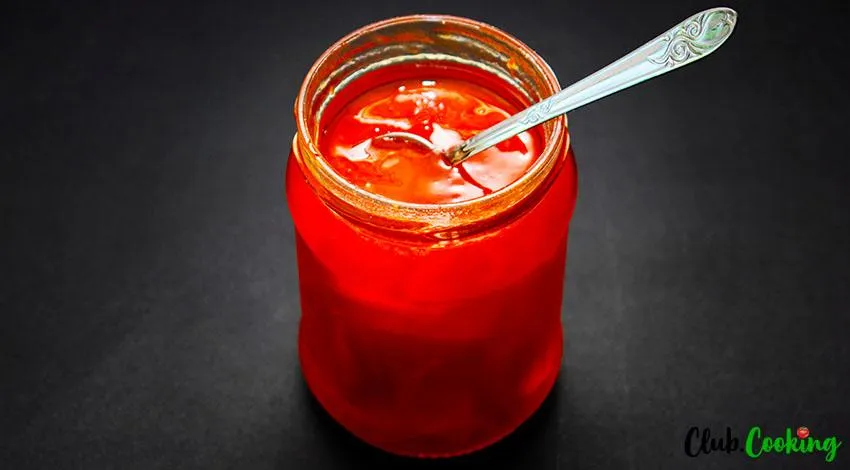
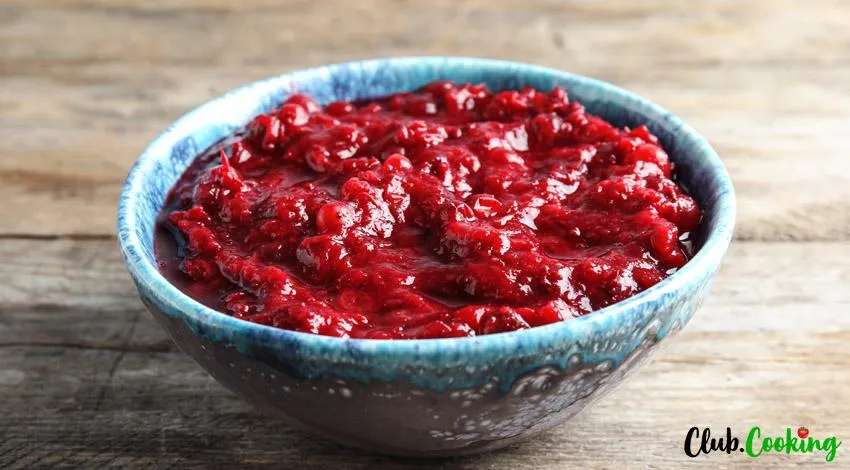
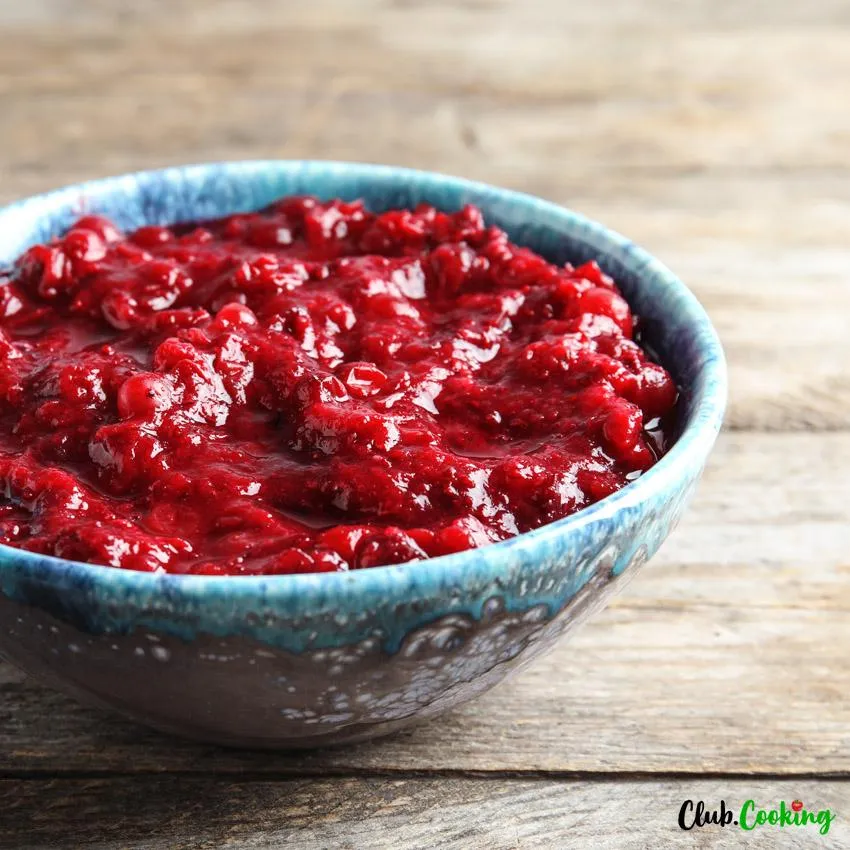
Lingonberry sauce is a tart-sweet Swedish condiment made from just three ingredients: lingonberries, sugar and water. Bring 4 cups of berries to a boil with 1/2 cup of water, stir in 1 cup of sugar and simmer for about 10 minutes, until many berries burst. The sauce thickens as it cools. It makes about 12 servings and is the classic partner for Swedish meatballs, roast meat and pancakes.
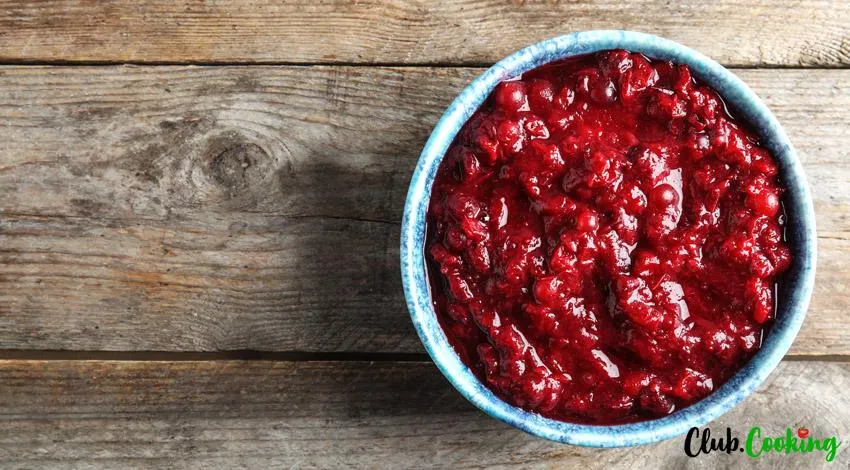
What are lingonberries?
Lingonberries are small, bright red wild berries from the forests of Scandinavia, Finland, Russia and Canada. They taste tart and slightly bitter, a little like cranberries but smaller, softer and more aromatic. Outside northern Europe you will usually find them frozen in Scandinavian or Eastern European shops and in IKEA food markets. Frozen berries work perfectly here.
How to make lingonberry sauce
- Prepare the berries. Drain thawed or fresh berries, rinse them and pick out leaves and stems. Frozen berries can go in without thawing.
- Boil with water. Put the berries and 1/2 cup of water in a saucepan and bring to a boil.
- Add the sugar. Stir in 1 cup of sugar until it dissolves, then simmer for about 10 minutes, until many berries have burst and the liquid turns glossy.
- Cool quickly. Take the pan off the heat and set it in a bowl of cold water, stirring for 1 to 2 minutes. This keeps the color bright red.
- Serve or store. Serve warm with pancakes, or chill it for meat dishes. The natural pectin sets the sauce as it cools.
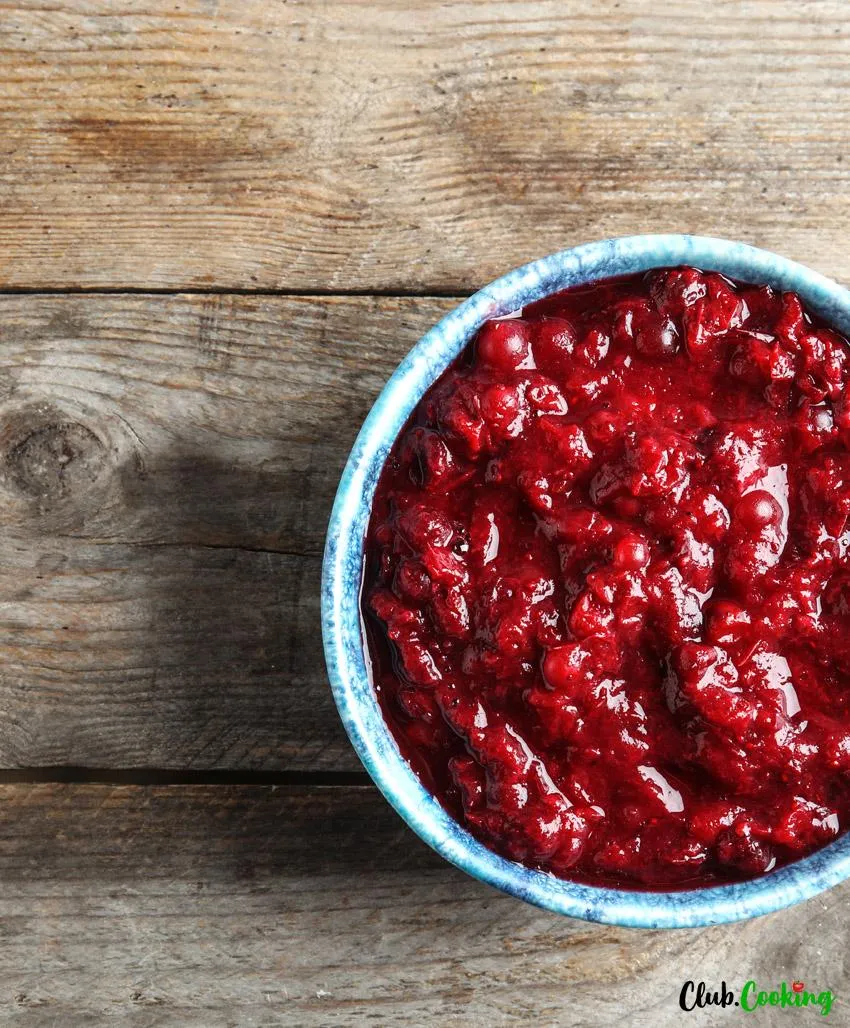
Swedish lingonberry sauce for meat and meatballs
In Sweden, a spoonful of lingonberries goes next to köttbullar (meatballs) with mashed potatoes and cream gravy, and next to many other meat dishes: roast pork, venison, elk, liver, pyttipanna and potato pancakes. The sharp berries cut through rich, creamy food. For meat, keep the sauce on the tart side; you can reduce the sugar to 3/4 cup.
Lingonberry sauce vs. cranberry sauce
- Flavor. Lingonberries are less sour and more floral than cranberries.
- Texture. Lingonberries are small and soft, so the sauce stays loose and spoonable; cranberry sauce often sets firm.
- Sugar. Cranberries usually need more sugar.
Cranberries are the closest substitute. Use the same method and add a little extra sugar to taste. See also our cranberry jam.
Lingonberry sauce, jam and relish
Lingonberry sauce, often sold in jars as “lingonberry jam” or “lingonberry relish”, is all the same family. Jam is cooked a little longer with more sugar and is thicker. Relish is a loose name, sometimes used for a coarser, less sweet sauce for meat. Raw “stirred” lingonberries (rårörda lingon) are not cooked at all: the berries are simply stirred with sugar until it dissolves.
Tips
- Adjust the sugar. Less for a tart sauce for meat, the full cup for pancakes and desserts.
- Do not overcook. Past 10 to 15 minutes the sauce turns dark and jammy.
- Leave some berries whole. A mix of burst and whole berries gives the classic texture.
- Use a non-reactive pan. Stainless steel or enamel keeps the color bright.
What to serve it with
- Swedish meatballs with mashed potatoes and gravy
- Roast pork, venison, duck or turkey
- Potato pancakes, crepes and oatmeal
- Cheese boards and yogurt
Storage
Pour the cooled sauce into clean jars and refrigerate for up to 2 weeks, or freeze for up to 6 months.
Frequently Asked Questions
Should lingonberry sauce be served warm or cold?
Warm with pancakes and desserts, chilled with meat dishes and meatballs.
Can I use frozen lingonberries?
Yes. Add them to the pan still frozen; the sauce may need a minute or two longer to come to a boil.
Is lingonberry sauce the same as lingonberry jam?
They are very similar. Jam is cooked longer with more sugar and is thicker; sauce is looser and tarter.
What can I use instead of lingonberries?
Cranberries are the best substitute. Red currants also work and give a slightly sharper sauce.