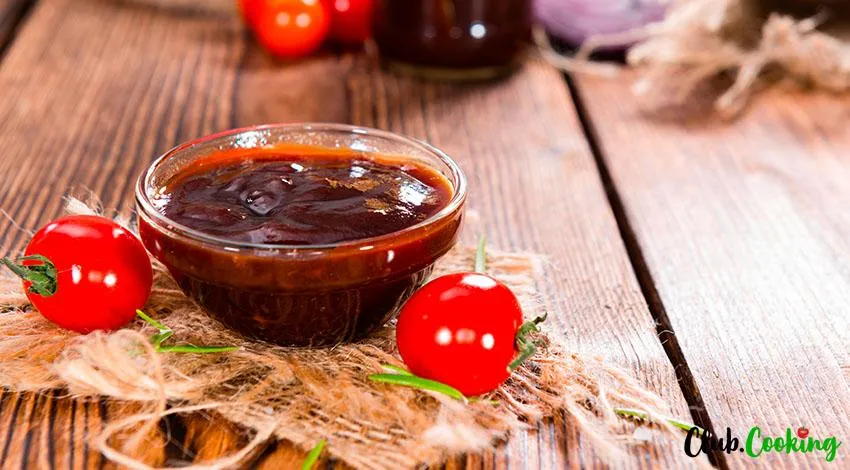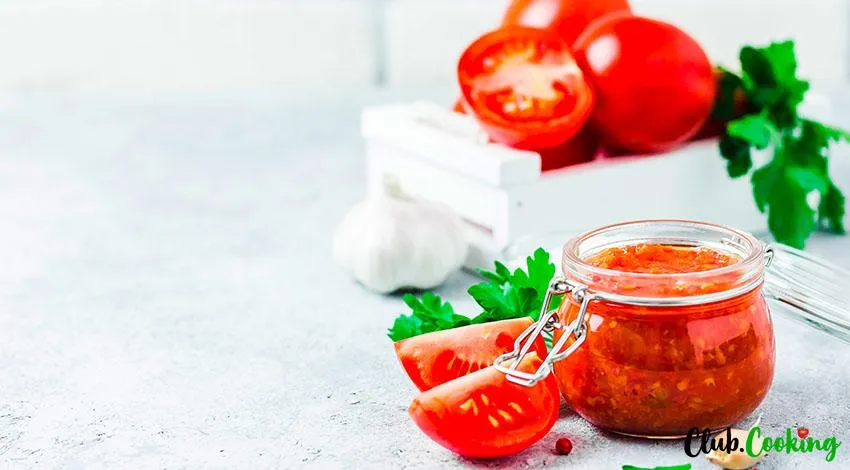
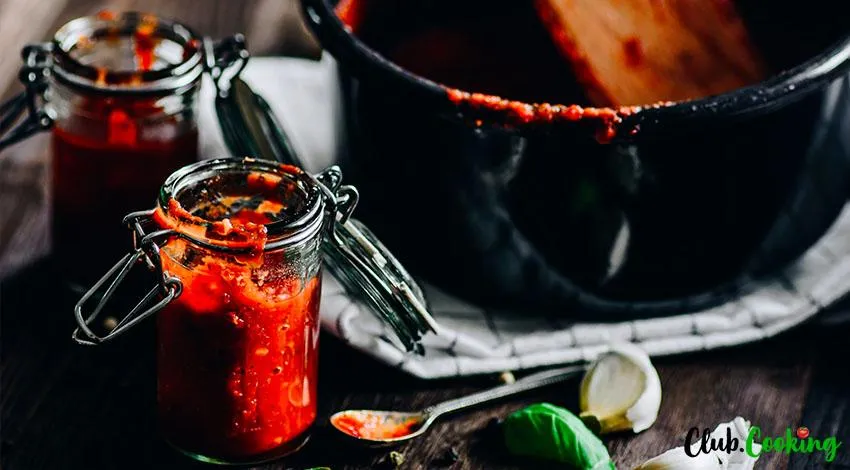
This homemade pizza sauce needs no cooking. A 6-ounce can of tomato paste and a 15-ounce can of tomato sauce are stirred together until smooth, then seasoned with oregano, Italian seasoning, garlic powder, onion powder, garlic salt, black pepper and a teaspoon of sugar. It is ready in 5 minutes and makes about 2 1/2 cups, or 12 servings.
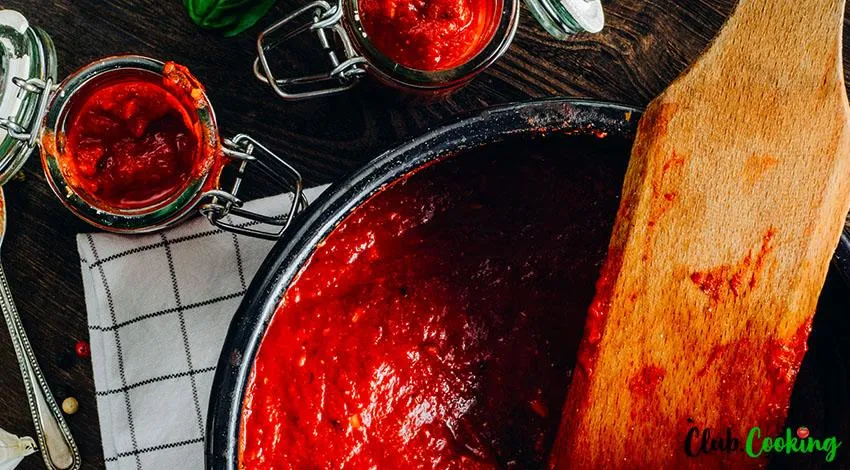
Why pizza sauce is not cooked
The sauce cooks on the pizza. In a hot oven the tomatoes concentrate and the herbs bloom, so simmering it first is unnecessary and can make the flavor dull. The tomato paste makes the sauce thick enough to stay put and not soak into the crust.
Tips
- Mix the tomatoes first. Stir the paste into the tomato sauce until no lumps remain, then add the seasonings.
- Season to taste. The recipe is herb-forward. Start with 1 tablespoon of oregano, taste, and add the second if you want more.
- Let it sit. Even 15 to 30 minutes gives the dried herbs time to soften.
- Spread it thin. About 1/2 cup covers a 12-inch pizza. Too much sauce makes a soggy crust.
Substitutions
The sugar only balances acidity; leave it out or use coconut sugar if you prefer. If you have no garlic salt, use 1/2 teaspoon of salt and a little extra garlic powder. A tablespoon of olive oil or a pinch of red pepper flakes are optional additions.
How to use it
Spread it on classic pizza, pepperoni pizza or English muffin pizza. It also works as a dip for breadsticks and mozzarella sticks. For pasta, a simmered marinara sauce is a better fit.
Storage and freezing
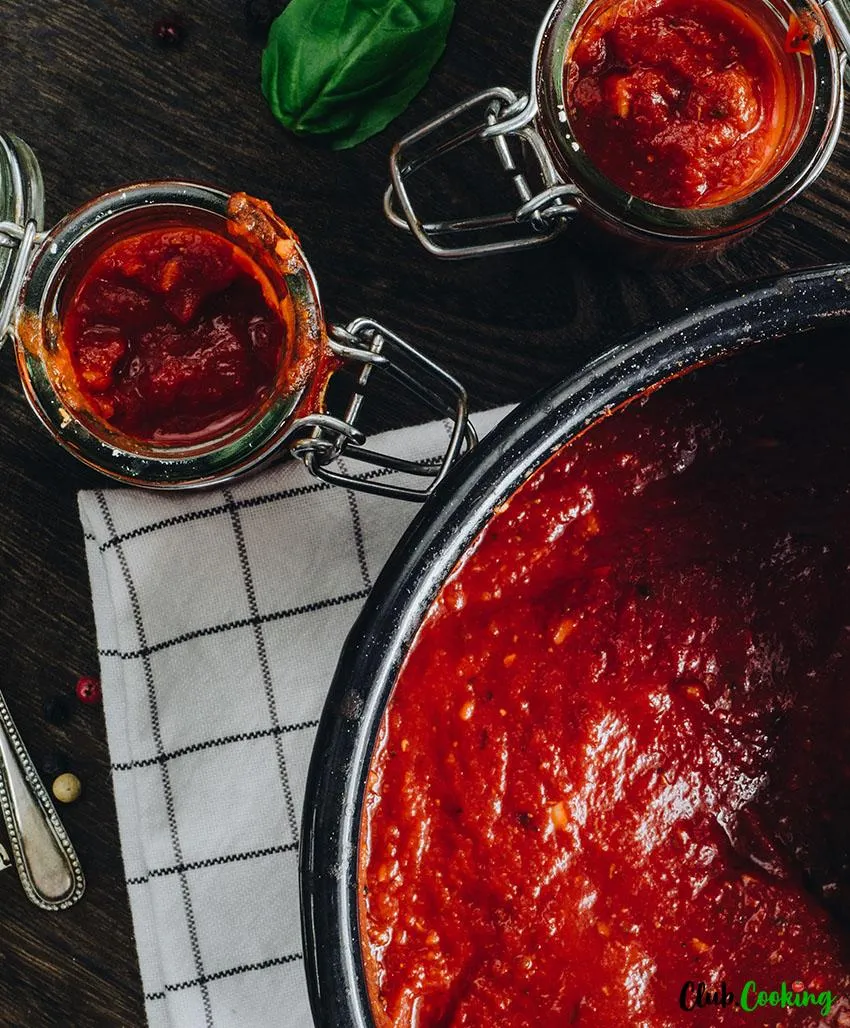
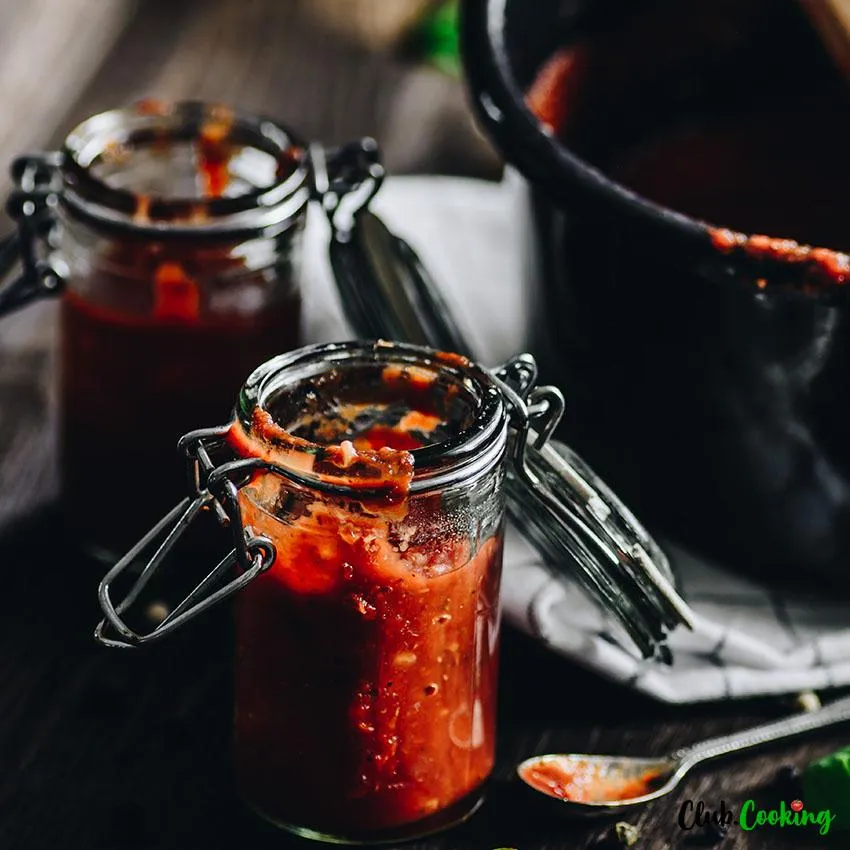
Keep the sauce in a covered jar in the refrigerator for 3 to 4 days. To freeze, portion it into small containers or an ice cube tray, then store for up to 3 months. Thaw in the fridge and stir before using.
FAQ
What is the difference between pizza sauce and marinara?
Pizza sauce is thicker, uncooked and more strongly seasoned. Marinara is cooked and looser.
How many pizzas does this make?
About four to five 12-inch pizzas.
Can I use fresh herbs?
Yes. Use roughly three times the amount of dried and add fresh basil after baking.