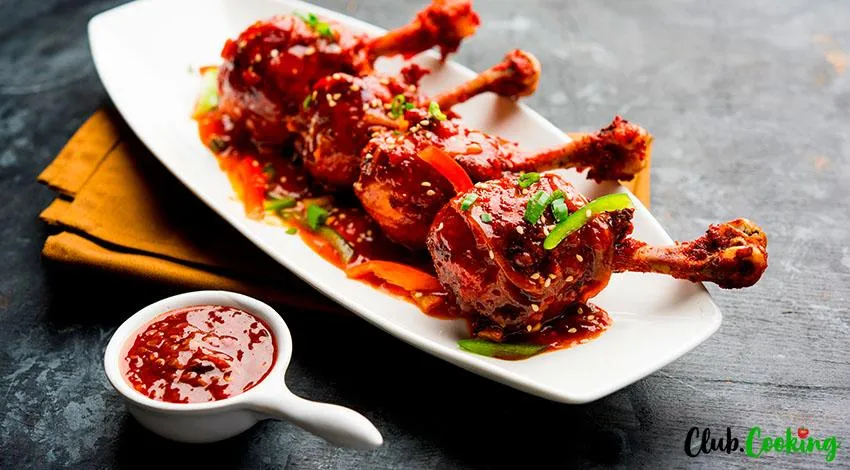
Szechuan sauce is a glossy, sweet-spicy Chinese-American stir-fry sauce made from garlic, ginger, soy sauce, chili-garlic sauce, two vinegars, brown sugar and chicken broth, thickened with cornstarch. It takes 10 minutes, makes about 1 1/2 cups (12 servings), and turns plain chicken, beef, shrimp or vegetables into a takeout-style dinner.
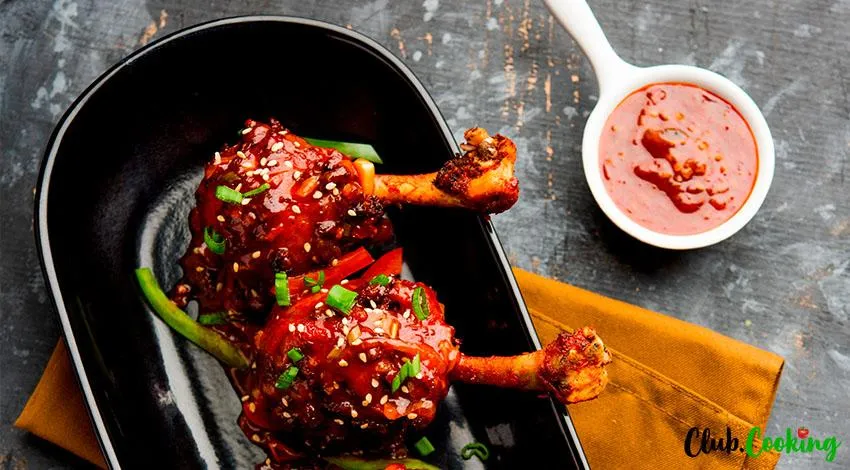
What is Szechuan sauce?
Szechuan sauce is a spicy, savory, slightly sweet brown sauce named after Sichuan, a province in southwestern China known for bold, chili-forward cooking. “Szechuan” is an older English spelling of Sichuan, and you will see both on menus.
In American Chinese restaurants the name usually means a soy-based sauce with garlic, ginger, chili and a touch of vinegar and sugar, thickened so it clings to stir-fried meat and vegetables. That is the style of this recipe. It is a home version built from supermarket ingredients, not a single traditional recipe from Sichuan.
What does Szechuan sauce taste like?
It is savory from soy sauce, tangy from red wine and balsamic vinegar, slightly sweet from brown sugar and hot from chili-garlic sauce. Five garlic cloves and a 1.5-inch piece of ginger give it a strong aromatic base.
Traditional Sichuan cooking also uses Sichuan peppercorns, which create a tingling, numbing sensation. This home version keeps that optional so the sauce works for the whole family.
How spicy is Szechuan sauce?
As written, it is medium hot. The heat comes from 2 tablespoons of Asian chili-garlic sauce spread over about 1 1/2 cups of sauce, and the brown sugar softens it further. You control the level:
- Milder: start with 1 tablespoon of chili-garlic sauce and keep the 2 tablespoons of brown sugar.
- Spicy Szechuan sauce: add more chili-garlic sauce to taste, garnish with red pepper, or leave out the sugar so the heat is more direct.
- With the tingle: toast 1 teaspoon of Sichuan peppercorns in a dry pan, grind them and add them to the sauce.
Sriracha or another hot sauce works as a substitute for chili-garlic sauce. It is smoother and a little sweeter, so taste before adding sugar.
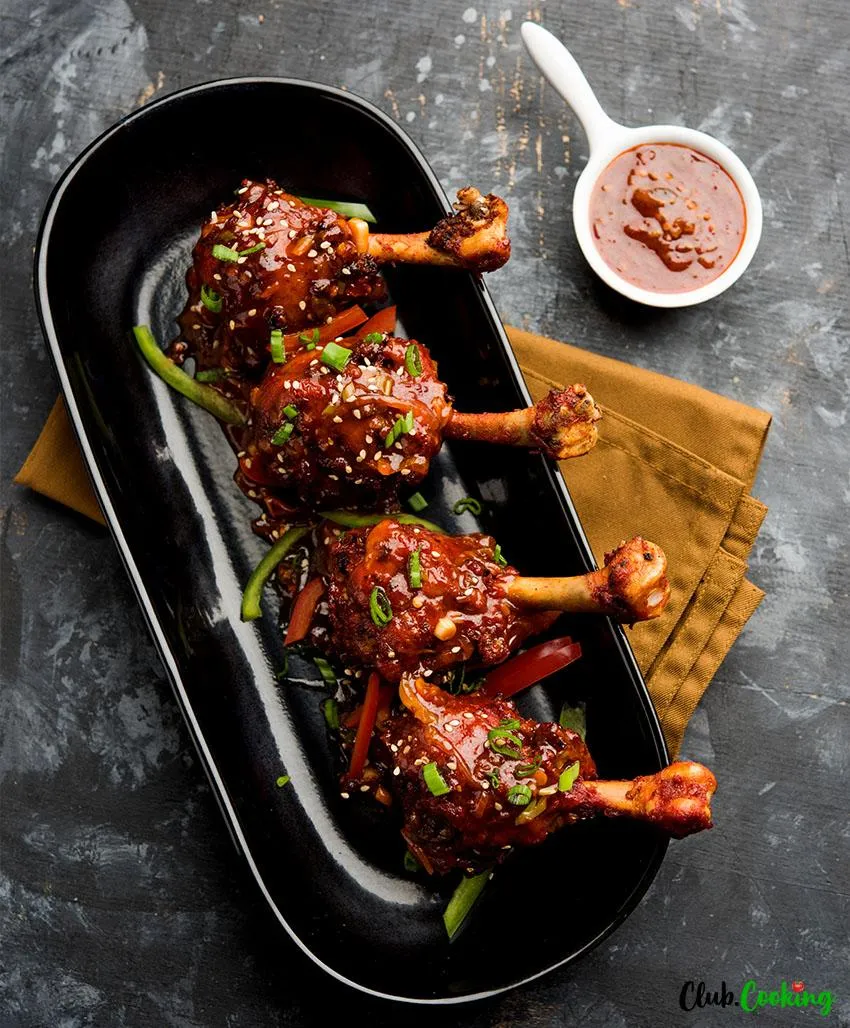
How to make it
- Mince the garlic and ginger finely; they should almost melt into the sauce.
- Put the garlic, ginger, both vinegars, chili-garlic sauce and soy sauce in a saucepan over medium heat, with the brown sugar if you are using it, and bring to a light boil.
- Whisk the 1 tablespoon of cornstarch into the cup of cold broth until smooth, then stir it into the pan.
- Cook, stirring, until the sauce thickens and turns glossy, about 2 minutes.
The step that matters most is the cornstarch. It has to be dissolved in cold liquid before it meets the hot pan, otherwise it forms lumps that will not cook out. Stir the mixture again right before pouring, because the starch settles quickly.
Szechuan sauce vs. similar sauces
Names overlap on takeout menus, so here is how this sauce compares in general terms.
| Sauce | Flavor | Heat |
|---|---|---|
| Szechuan sauce | Garlic, ginger, soy, vinegar, a little sugar | Medium to hot, sometimes with numbing peppercorn |
| Kung pao sauce | Similar soy and vinegar base, served with dried chilies and peanuts | Medium |
| Teriyaki sauce | Soy, sugar and mirin, sweet and glossy | None |
| Sweet and sour sauce | Sugar and vinegar, fruity | None |
How to use it
- Toss with stir-fried chicken, beef, tofu or shrimp, as in Szechuan shrimp or Szechuan beef.
- Use it as a dipping sauce for dumplings, spring rolls or chicken nuggets.
- Drizzle over fried rice or noodles.
For a stir-fry, cook the protein and vegetables first, then add the sauce for the last minute so it coats everything without over-reducing. With 12 servings of about 2 tablespoons each, one batch covers several meals.
Tips and fixes
- Too thick? Loosen with a splash of broth or water.
- Too thin? Simmer another minute. The sauce also thickens as it cools.
- Too salty? Use low-sodium soy sauce and broth, especially if you plan to add salty ingredients to the stir-fry.
- Too sharp? The two vinegars are noticeable without sugar. The optional 2 tablespoons of brown sugar, or any sweetener, rounds them out.
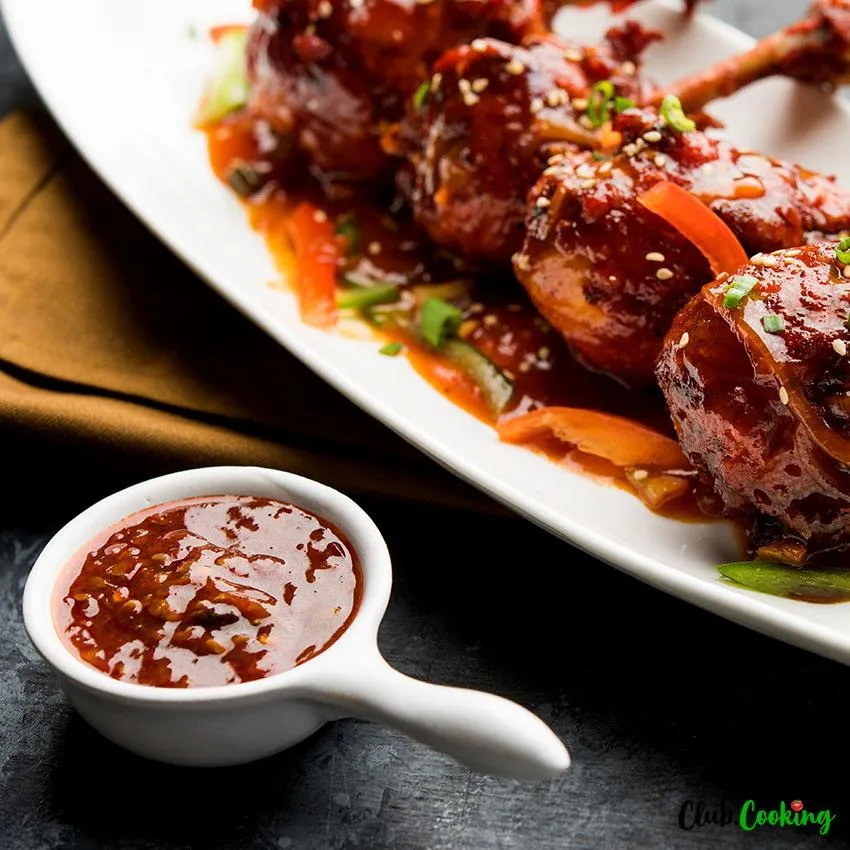
- Garnish. Sesame seeds or red pepper on top are optional and add texture and color.
Storage
Cool the sauce, then refrigerate it in a clean airtight jar for up to 1 week. Because it contains broth and fresh garlic, do not keep it longer. For longer storage, freeze it in ice-cube trays for up to 3 months and thaw only what you need. Chilled sauce sets firmer; warm it gently and whisk to bring back the glossy texture.
Frequently Asked Questions
What is Szechuan sauce made of?
This Szechuan sauce is made of garlic, fresh ginger, red wine vinegar, balsamic vinegar, chili-garlic sauce, soy sauce, chicken broth and cornstarch, with optional brown sugar. Sichuan peppercorns can be added for a numbing tingle.
Is Szechuan sauce spicy?
Yes, moderately. The heat comes from chili-garlic sauce, and you can raise or lower it by changing that amount.
Is this the McDonald’s Szechuan sauce?
No. The fast-food version is a sweet dipping sauce; this is a homemade stir-fry sauce in the Chinese-American style, though it works as a dip too.
What is the difference between Szechuan and Sichuan?
There is no difference in meaning. Both are English spellings of the same Chinese province, and Sichuan is the modern one.
Can I make Szechuan sauce gluten-free?
Yes. Use tamari or gluten-free soy sauce and check that your chili-garlic sauce and broth are gluten-free.
How long does homemade Szechuan sauce last?
Up to 1 week in an airtight container in the fridge, or up to 3 months in the freezer.