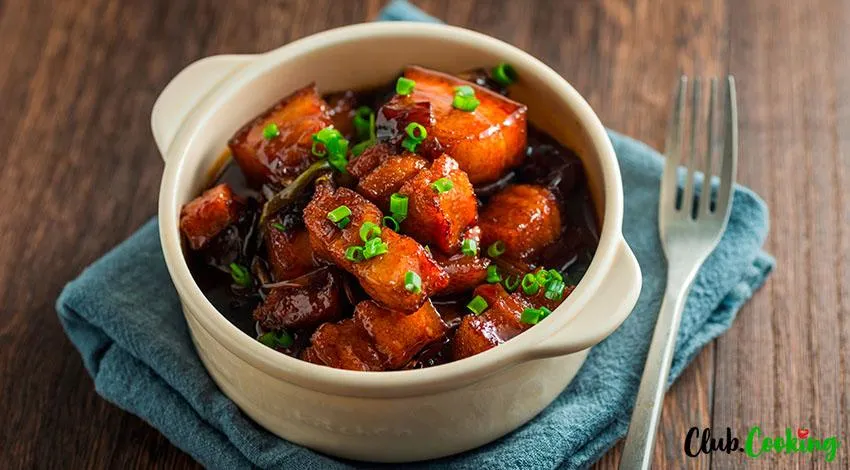
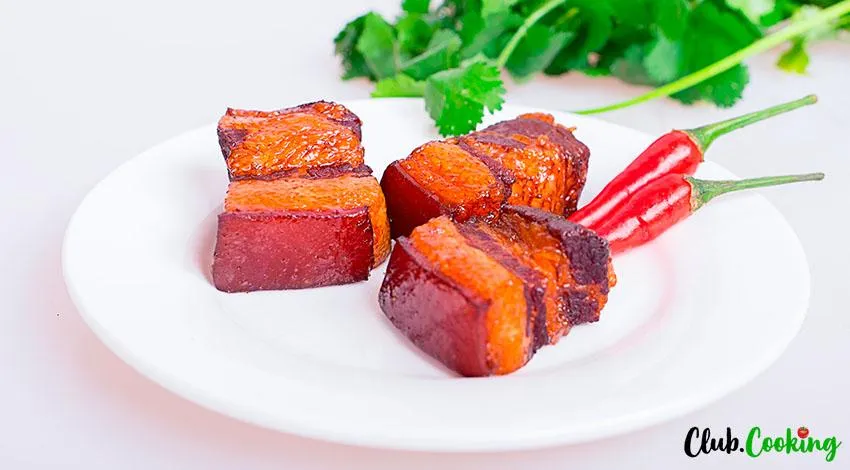
Hunan pork is a spicy Chinese stir-fry of thinly sliced pork and long chili peppers. This recipe is the home-style version from Hunan province, known as farmer’s pepper pork (农家小炒肉): pork belly fried until the edges brown, then tossed with salted, blistered green chilies, garlic, ginger, soy sauce and cooking wine. It takes about 20 minutes and serves 2 with steamed rice.
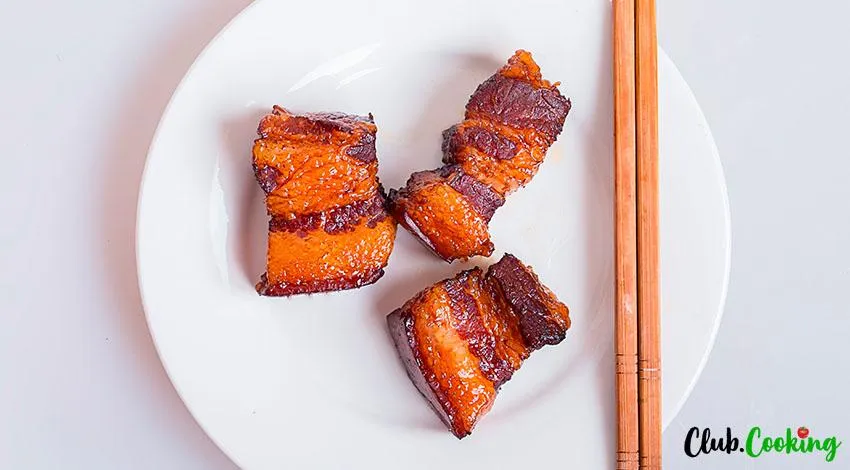
What is Hunan pork?
Hunan cooking is known for direct, fresh chili heat, with less sugar and less numbing Sichuan pepper than Sichuan food. In Hunan itself, the dish most people mean by Hunan pork is this farmer’s pork: pork, peppers and a few aromatics, cooked fast in a very hot wok.
Chinese takeout menus in the US also list “Hunan pork”. That version usually means sliced pork stir-fried with mixed vegetables such as bell peppers, broccoli and carrots in a spicy brown sauce. If that is the dish you know, see the variations below; the method here is the same, only the vegetables and sauce change.
Ingredients
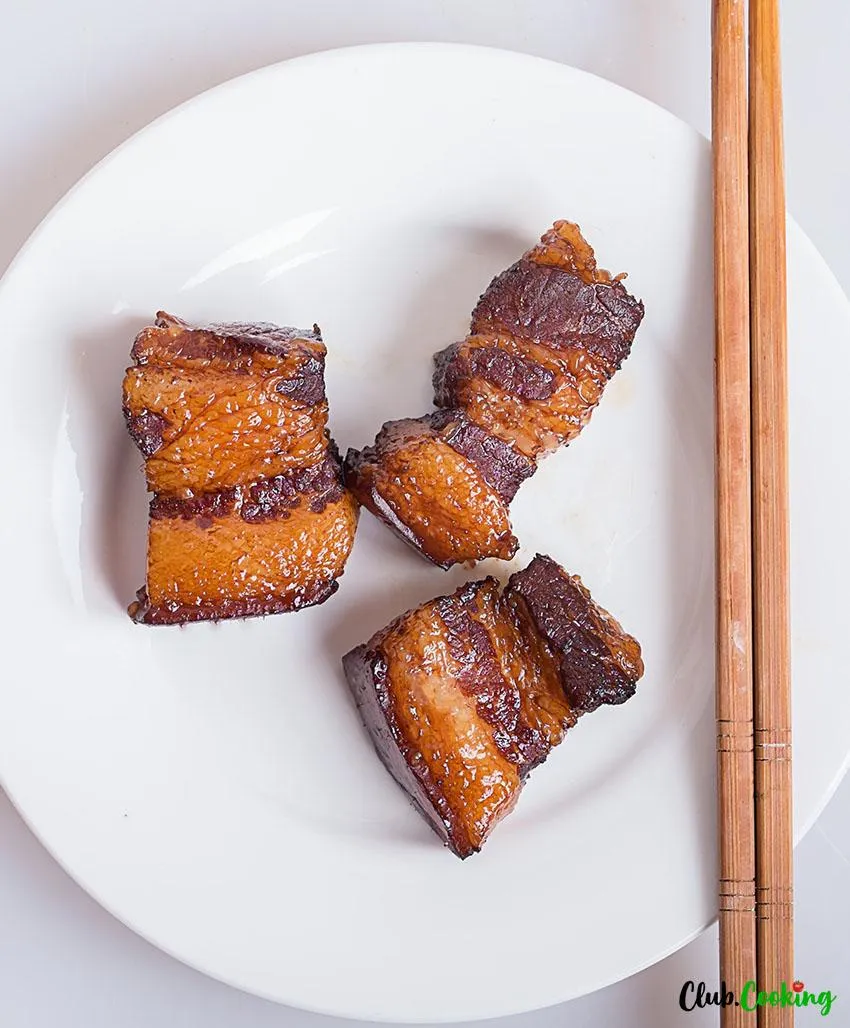
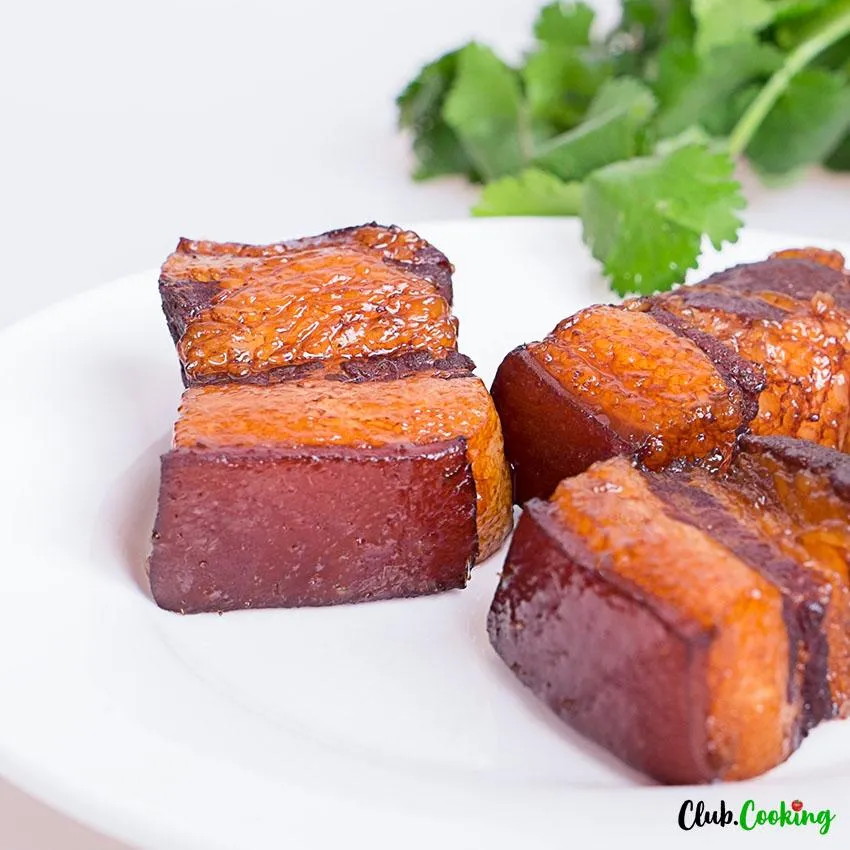
- Pork belly (1 lb). The fat renders in the wok and flavors the whole dish. Pork shoulder gives a leaner result.
- Long chili peppers (10). Long green chilies such as Anaheim or Hungarian wax give medium heat. Add a few Thai chilies for more fire.
- Garlic, ginger and green onions for aroma.
- Light and dark soy sauce. Light soy seasons, dark soy adds color.
- Cooking wine. Shaoxing wine is traditional; dry sherry is a good substitute.
How to make Hunan pork step by step
- Salt the peppers. Cut the chilies into 2-inch (5 cm) pieces, toss with about 1 teaspoon of salt and leave them for 15 minutes. This draws out water so they blister instead of steaming.
- Slice the pork. Cut the pork belly into thin slices, about 1/8 inch (3 mm). Chilling it for 30 minutes first makes this much easier.
- Dry-fry the peppers. Heat the wok without oil and fry the peppers for 1 to 2 minutes, pressing them against the hot surface, until they soften and pick up dark spots. Set them aside.
- Fry the pork. Add the oil and the pork. Stir-fry until the fat turns translucent and the edges brown.
- Add the aromatics. Toss in the ginger and garlic and fry until fragrant.
- Combine and season. Return the peppers, add both soy sauces and the cooking wine, scatter in the green onion and toss for 30 seconds. Serve right away with rice.
Tips for the best Hunan pork
- Use very high heat. A smoking-hot wok browns the pork and chars the peppers quickly, so both stay crisp-tender.
- Do not crowd the wok. If you double the recipe, fry the pork in two batches.
- Taste before adding more salt. The peppers are already salted and the soy sauces are salty.
- Control the heat with the chilies. Seeds and membranes carry most of the heat; remove them for a milder dish.
Variations
- Takeout-style Hunan pork. Use thin slices of pork loin or shoulder, add sliced bell peppers, broccoli and carrots after the pork browns, and finish with a sauce of soy, a little chili bean paste and a splash of water thickened with cornstarch.
- Fermented black beans. A spoonful, lightly crushed, adds savory depth.
- Leaner version. Use pork shoulder or loin and an extra teaspoon of oil.
For other Hunan dishes, see Hunan beef and Hunan chicken.
What to serve with Hunan pork
Steamed white rice is essential to balance the heat. A plain stir-fried green vegetable or a cucumber salad cools the meal down.
Storage
Refrigerate leftovers within 2 hours and eat within 3 days. Reheat in a hot wok or skillet for 2 to 3 minutes; the peppers soften but the flavor holds.
Frequently Asked Questions
Is Hunan pork very spicy?
It depends on the peppers. With mild long green chilies it is medium-hot; with Thai chilies it is very hot.
What is the difference between Hunan pork and Szechuan pork?
Hunan dishes rely on fresh and dried chilies for a clean, direct heat. Szechuan dishes add numbing Sichuan peppercorns and often more sugar and bean paste.
Can I use bell peppers?
Yes, for a mild version, but you lose the chili flavor that defines the dish. A mix of bell peppers and a few hot chilies is a good compromise.
Which cut of pork is best?
Pork belly is traditional because its fat renders and seasons the peppers. Shoulder or loin works if you prefer less fat.