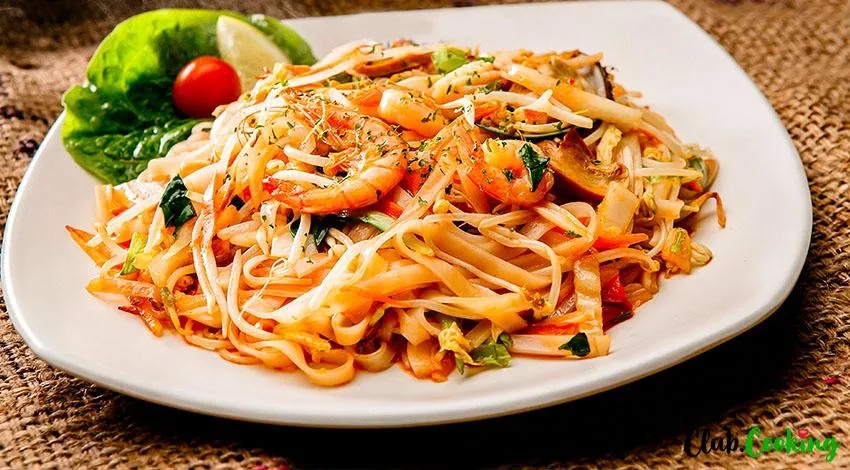
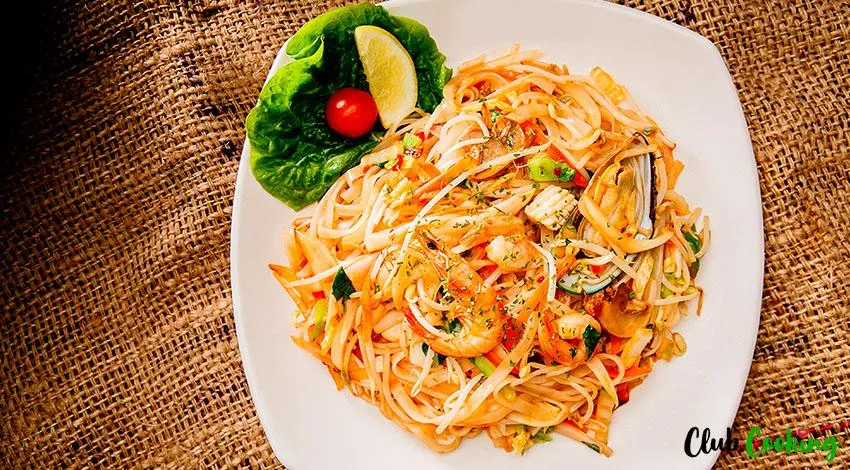
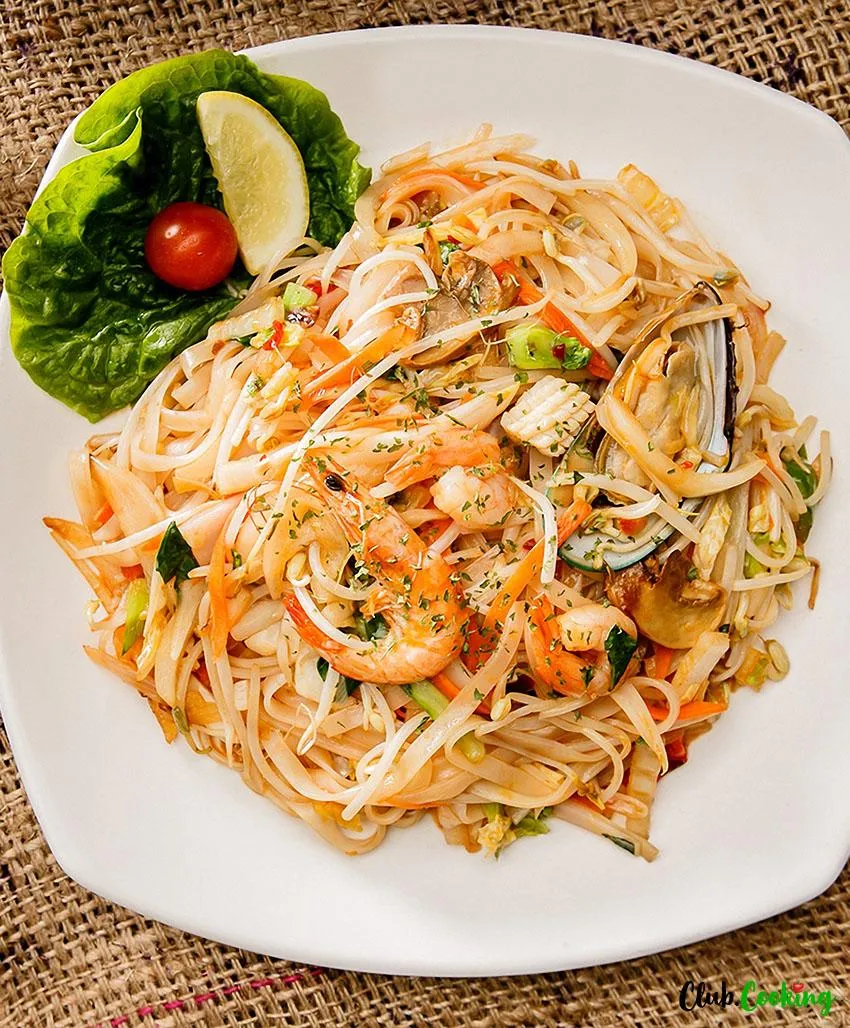
Shrimp chow mein is a Chinese-style noodle stir-fry of egg noodles, shrimp, cabbage, carrots, celery and onion tossed in a sauce of soy sauce, honey, fresh ginger, garlic and toasted sesame oil. The vegetables and shrimp are cooked separately in the same pan and then combined with the noodles. It takes about 30 minutes and makes up to 10 small servings, or 5 to 6 as a main dish.
Which noodles to use
Look for packages labeled chow mein noodles, Hong Kong-style noodles or Chinese egg noodles, fresh or dried. Cook them according to the package, drain well and toss with a few drops of oil if they have to wait. Yakisoba noodles, ramen without the seasoning packet, or thin spaghetti will also work.
Tips
- Cut the vegetables thin. Julienned carrots and thinly sliced celery, onion and cabbage cook in the few minutes the recipe allows.
- Cook in stages. Vegetables first, then shrimp. Crowding everything in at once steams the food instead of browning it.
- Use high heat and a large pan. A wok or a 12-inch skillet gives the ingredients room.
- Stop when the shrimp are opaque. Two to three minutes per side is the upper limit for large shrimp; smaller ones need less.
The sauce
Stir the soy sauce, honey, ginger, garlic and sesame oil together while the noodles cook so the sauce is ready to pour. Low-sodium soy sauce is a good choice if you are sensitive to salt; taste before adding more salt at the end. For optional extra depth, add a tablespoon of oyster sauce.
Serving and storage
Serve hot, topped with the green onions. Leftovers keep 3 to 4 days in the refrigerator; reheat in a hot skillet with a splash of water. If you like these noodles, try shrimp lo mein, teriyaki noodles or shrimp pad Thai.
FAQ
What is the difference between chow mein and lo mein?
Chow mein noodles are stir-fried in the pan with the other ingredients, so they are a little firmer. Lo mein noodles are boiled and simply tossed with sauce.
Can I add other vegetables?
Yes. Bean sprouts, snow peas, bell pepper, bok choy and mushrooms are all common options. Keep the total amount about the same so the pan is not overloaded.