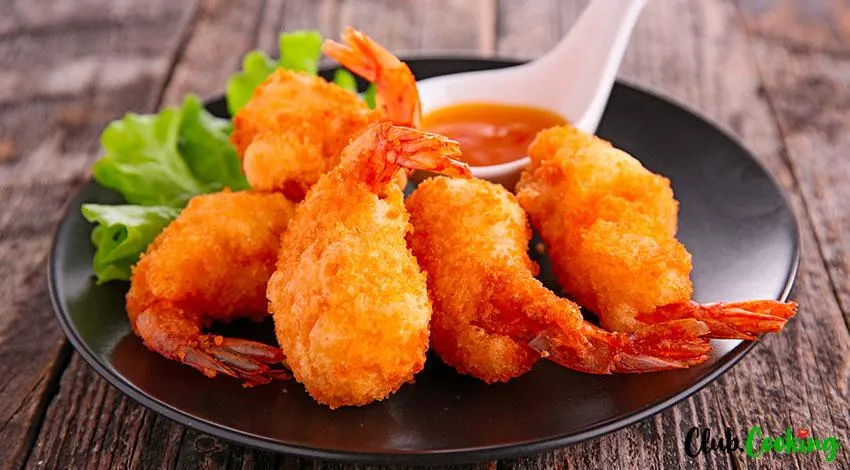
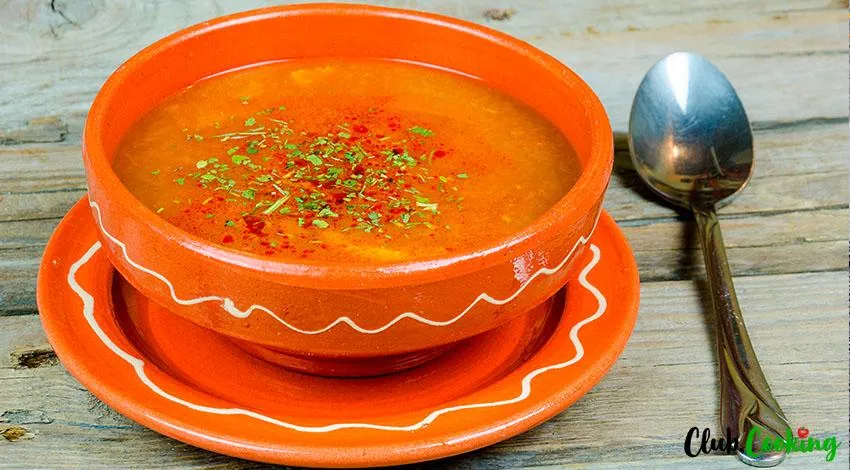
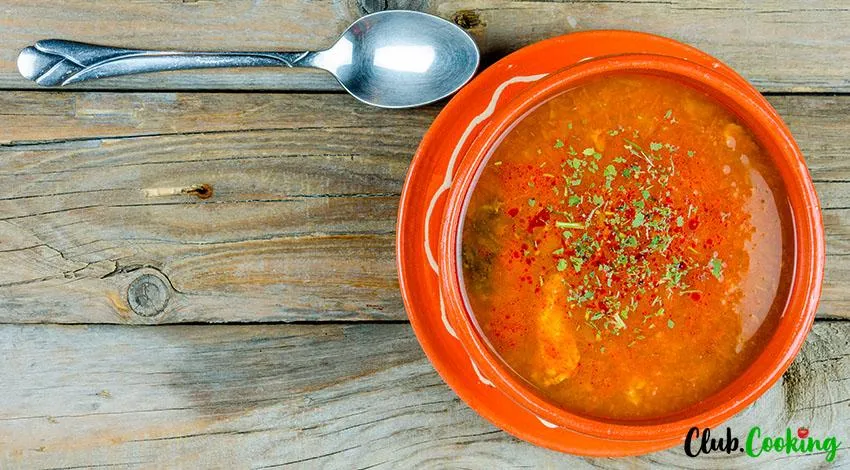
Shrimp stock is a light seafood broth made from shrimp shells. Here 1 to 2 pounds of shells are cooked in a little oil with onion, carrot, celery and garlic until pink, then simmered for 15 minutes in 6 cups of water with parsley, bay leaves, coriander seeds and peppercorns, and strained. It takes about 1 hour including prep and makes roughly 10 half-cup servings.
Where to get the shells
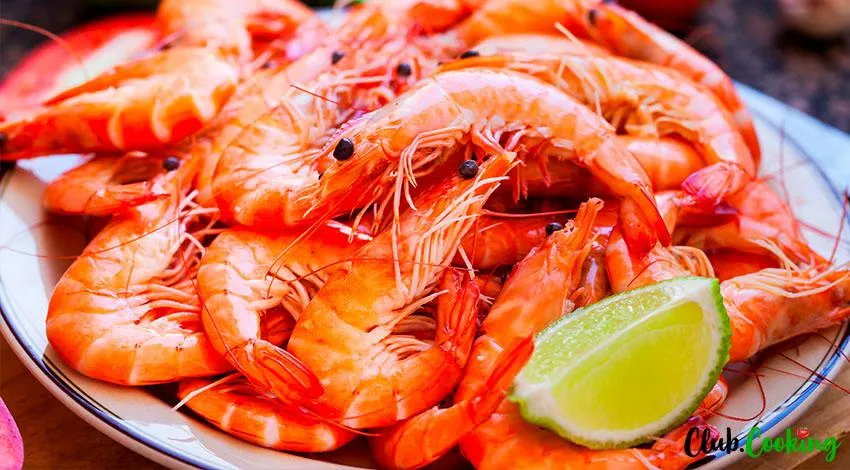
Save the shells and tails every time you peel raw shrimp. Keep them in a zip-top bag in the freezer and add to it until you have a pound or more; they can go into the pot frozen. Rinse the shells before using.
Tips for a clean, flavorful stock
- Cook the shells first. Stirring the shells and vegetables in oil for 10 to 15 minutes, until the shells turn pink and smell toasty, gives a deeper flavor than boiling them raw.
- Keep the simmer short. Shrimp shells give up their flavor quickly. Fifteen minutes is enough; long cooking can make seafood stock taste bitter.
- Do not salt. Season the final dish instead, especially if the stock will be reduced.
- Strain well. Use a fine mesh strainer and press on the solids to get all the liquid.
How to use shrimp stock
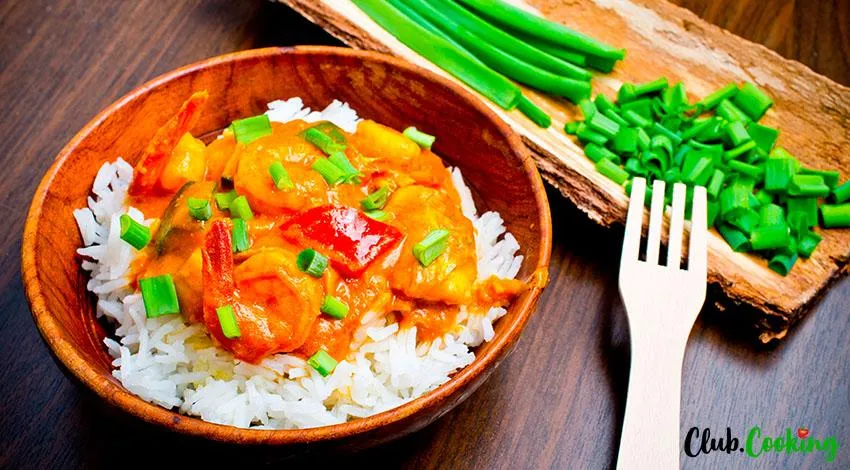
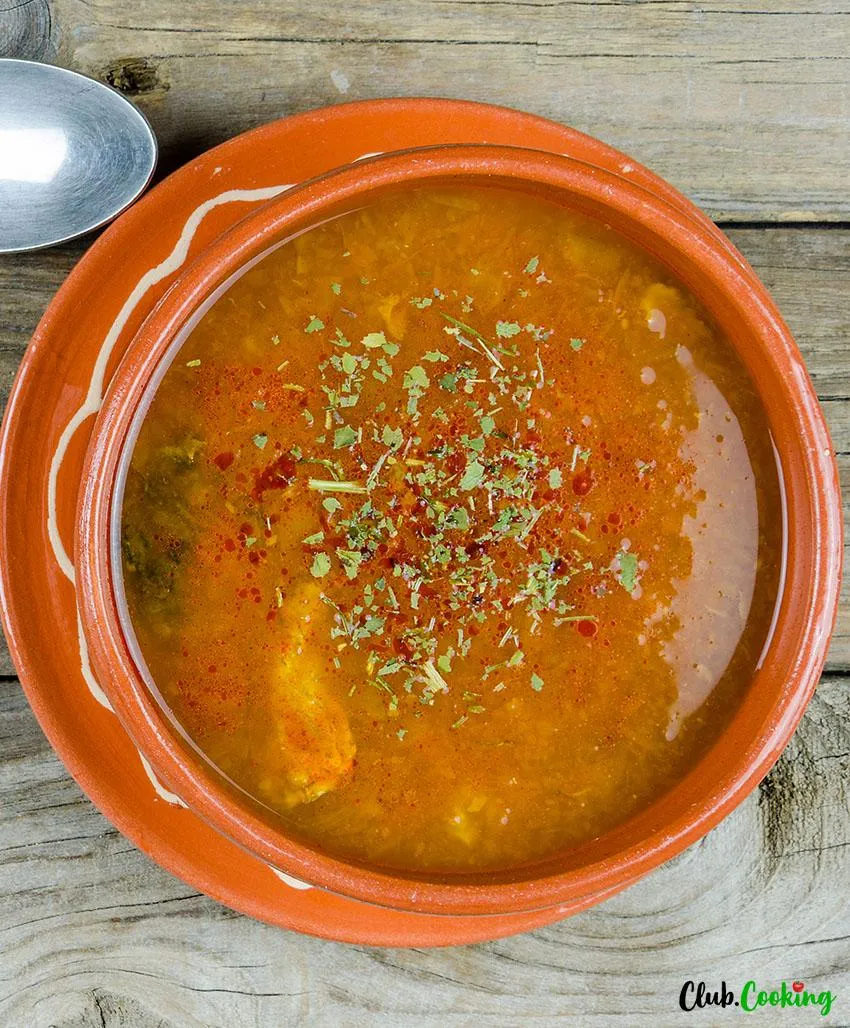
Use it wherever a recipe calls for seafood stock, fish stock or clam juice. It is a natural base for shrimp bisque, shrimp gumbo, shrimp risotto and shrimp etouffee, and it adds flavor to rice or grits cooked for seafood dishes.
Storage
Cool the stock quickly; setting the bowl in a sink of ice water helps. Do not leave it at room temperature for more than 2 hours. Refrigerate in covered containers for 3 to 4 days, or freeze for up to 3 months. Freezing in 1-cup or 2-cup portions, or in ice cube trays for small amounts, makes it easy to thaw only what you need.
FAQ
Can I use shells from cooked shrimp?
Yes. The stock will be a little milder. Skip the long saute and just warm the shells with the vegetables before adding water.
What is the difference between shrimp stock and seafood stock?
Shrimp stock uses only shrimp shells. Seafood stock may also include fish bones or crab and lobster shells. They can be used interchangeably in most recipes.