
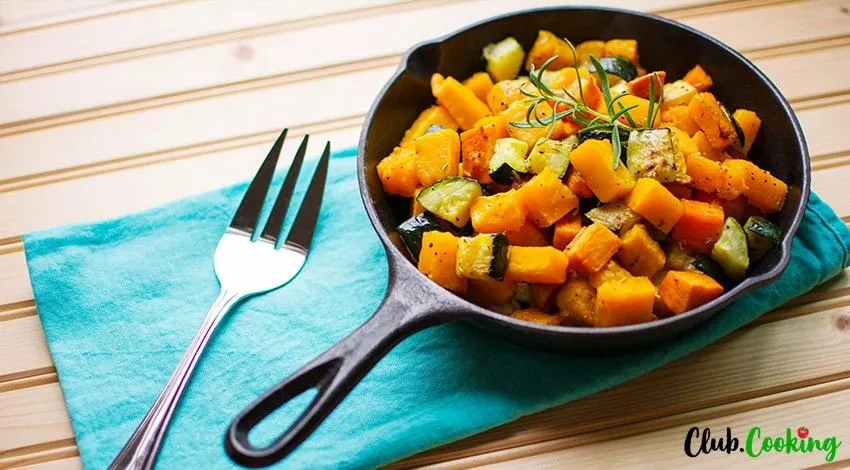
Yes. Freeze sliced zucchini for cooked dishes or grated zucchini for baking. Water-blanch slices for about 3 minutes, cool promptly, and drain before packing. Use a method specifically for grated zucchini if you want measured portions for bread or muffins.
Choose the form before freezing
Slices suit many cooked dishes, while grated portions are convenient for baking. A whole large zucchini is harder to package, cool, thaw, and measure than prepared pieces. Plan the intended recipe rather than freezing every form and expecting the same texture later.
Choose sound young tender zucchini and wash thoroughly. Trim ends and damaged material appropriately, discarding spoiled produce. Freezing does not restore texture or remove the consequences of poor prior handling.
How to freeze zucchini
Choose the cut based on the dish you will make later. Slices are easy to drop into soup or a skillet. Grated portions are easier to measure for baking. Expect a softer texture after freezing. If the finished recipe depends on raw crunch, use fresh zucchini instead.
1. Prepare. Wash and cut into slices appropriate to the selected freezing instructions.
2. Blanch. Water-blanch for 3 minutes under the complete summer-squash method.
3. Cool. Transfer promptly to adequate ice water and cool thoroughly.
4. Drain. Remove excess surface water before packing.
5. Portion. Divide into amounts useful for later meals.
6. Package. Use suitable freezer bags or containers, removing excess air where appropriate.
7. Label. Mark the date, form, and portion quantity.
8. Freeze. Freeze promptly at 0°F (−18°C) or below without overloading the freezer.
For grated zucchini intended for baking, use the separate steam-blanching method developed for that form. Extension guidance describes small quantities steamed until translucent, often about 1–2 minutes, followed by its specified packing and cooling process. Do not assume sliced zucchini’s water-blanching timetable automatically applies to shreds.
How long it lasts
The general 8–12-month frozen-vegetable quality range assumes appropriate preparation, packaging, and continuous storage at 0°F (−18°C) or below. Use earlier for better quality and check your freezer’s actual temperature rather than only its dial setting.
Texture, flavor, and safety are different questions. Continuously frozen food can lose quality without suddenly becoming unsafe at one precise month. Food that warmed significantly during an outage needs separate official guidance; a date label alone cannot establish its history.
For fresh refrigerated summer squash, use supplier or extension storage guidance and prepare promptly while condition is good. For cooked leftovers, refrigerate promptly at 40°F (4°C) or below and use within 3–4 days under this conservative approach. Do not count freezing as a new start for already old cooked food.
How to thaw and reheat
Add frozen slices directly to a simmering soup if the recipe can take the extra moisture, or thaw them in the refrigerator and drain before sautéing. For grated zucchini, thaw the measured portion in the refrigerator and pour off excess liquid if the baking recipe calls for drained zucchini. Follow the recipe’s moisture cues rather than squeezing every portion completely dry. Cook frozen zucchini in a dish where a softer texture is useful. For recipe examples, see zucchini cookies, gluten-free zucchini bread, zucchini pizza crust.
Freezer meals and zucchini bread
For make-ahead freezer meals with zucchini, choose a complete recipe that anticipates water release. Casseroles, soups, and bakes respond differently. A successful plain frozen slice does not validate an entire mixed meal’s cooling, freezing, and reheating process.
Zucchini bread is a baked product with its own storage needs. Cool fully enough for appropriate wrapping, package to limit drying, and freeze in useful portions. Frosting, cream cheese, or other perishable additions can change how it should be handled.
How to tell if it has gone bad
Discard zucchini with mold, abnormal slime, or other clear spoilage. Do not taste questionable food. A normal smell does not prove that a thawed container left warm for hours is safe.
Softness alone after freezing is expected and is not automatically spoilage. Freezer burn is primarily a quality issue when temperature remained controlled. Damaged packaging, large ice accumulation, or unknown thawing history should prompt a storage-history assessment rather than an assumption based on appearance alone.
Common mistakes
Freezing very large watery mature zucchini without considering texture, skipping proper cooling, and using vague unlabeled portions can make later cooking less predictable. Prepare smaller batches and label the form clearly.
Avoid calling every raw freezer shortcut identical to a blanched method. Blanching helps control quality changes during storage. Whole, sliced, and grated preparations are distinct, and each should follow the instructions developed for it.
FAQ
Can you freeze zucchini bread?
Yes. Cool baked zucchini bread completely, then wrap a loaf or individual slices tightly and freeze. Thaw while wrapped to limit surface condensation. Freeze the baked bread separately from the raw or blanched zucchini you plan to use later.
Can you freeze zucchini and squash?
Yes. Use the summer-squash method for young zucchini and yellow squash. Slice about 1/2 inch thick, water-blanch for 3 minutes, cool, drain, and pack. Use a separate method for winter squash, which needs a different preparation.
Can you freeze zucchini without blanching?
For best quality, blanch before freezing. Water-blanch slices for 3 minutes. For grated zucchini intended for baking, steam-blanch small amounts for 1–2 minutes until translucent, then cool and pack in measured portions.
How to store zucchini in the freezer?
Pack cooled, drained slices in freezer bags or containers, press out excess air, and label the cut and date. Pack grated zucchini in amounts you actually use for baking. Keep the freezer at 0°F (-18°C) or colder.
Can you freeze zucchini whole?
Slice or grate it first. A whole zucchini is harder to blanch evenly, takes more freezer space, and can thaw with a soft, watery texture. Choose the cut that suits the soup, skillet meal, or baked dish you plan to make.