
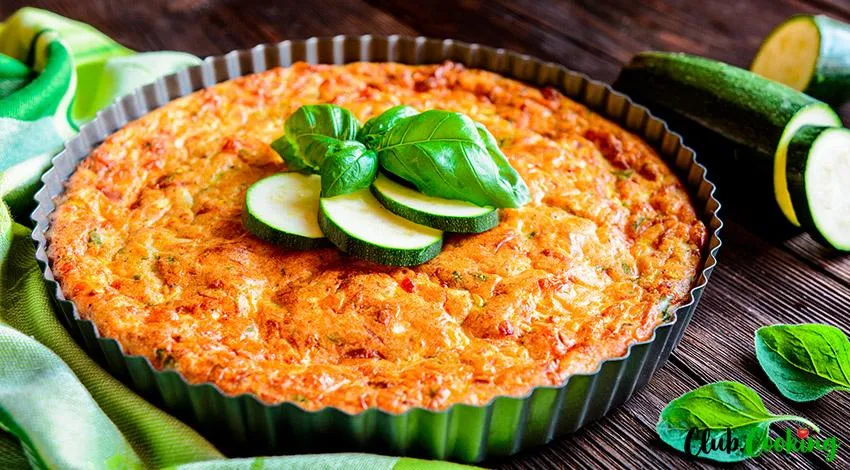
Serve quiche with a green salad, roasted asparagus, or fresh fruit. A tart vinaigrette balances bacon or cheese quiche at lunch. Fruit suits brunch, especially alongside a mild vegetable quiche. Since the pastry already adds starch, add bread only if you need a larger meal.
Consider the filling and occasion
Quiche Lorraine brings bacon and cream, while a vegetable quiche may be milder or contain more moisture. A large pastry slice supplies more starch than a small crustless portion. Match sides to the actual dish instead of assuming every quiche needs the same breakfast plate.
For brunch, choose components that can be prepared without competing for the oven. For dinner, one fresh side and one cooked vegetable can provide variety. A big collection of pastries, potatoes, bread, and creamy salads is not necessary just because quiche can be served at several meals.
Vegetables
1. Roasted asparagus
Roast asparagus until the tips brown, then finish with lemon. Serve it beside a warm slice of bacon or cheese quiche. Its light flavor works with a rich custard without requiring another sauce.
2. Green beans
Green beans work for lunch or dinner and can be prepared on the stove. Keep seasoning mild enough that the filling remains recognizable. A chilled green bean salad can be convenient for a make-ahead spread when handled and dressed according to its own recipe.
3. Roasted broccoli
Broccoli provides a browned edge and a different texture from custard. Avoid another heavy cheese topping if the quiche already contains abundant dairy. Cut evenly and check tenderness rather than using a blackened tip as the only sign the side is ready.
4. Sautéed mushrooms
Mushrooms can suit a simple cheese or bacon quiche, adding a savory side without a second pastry. Cook their liquid away before serving. If mushrooms are already the main filling, choose a different vegetable to avoid unnecessary repetition.
Salads
5. Green salad with vinaigrette
Toss a handful of crisp greens with vinaigrette. A little mustard gives the dressing enough bite for Quiche Lorraine. Dress just before serving so the leaves stay crisp beside the warm slice.
6. Tomato and cucumber salad
This cool side works well for lunch and needs no oven space. Drain excess liquid and use herbs that fit the filling. Serve alongside rather than underneath pastry so the crust does not soak in tomato juice before eating.
7. Cabbage and apple slaw
Thin cabbage brings crunch, while a small amount of apple adds sweetness. Choose a light dressing if the quiche is creamy. Keep the salad chilled until serving and add dressing in a measured amount rather than turning it into a deep pool beside the pastry.
8. A simple fruit salad
Serve berries, melon, or thin slices of seasonal fruit at brunch. Drain any juice before plating. A lightly tart fruit salad is a good counterpoint to cheese and works with mild vegetable quiche too.
Starches
9. Roasted potatoes
Potatoes can suit a small quiche portion at dinner or a substantial brunch. With a large pastry slice, keep the extra starch modest. A crisp roasted finish gives more texture contrast than another soft creamy casserole, especially beside a rich Lorraine filling.
10. Hash browns
Use a small portion of crisp hash browns for a substantial brunch. Cook them near serving time and keep them separate from the quiche. The browned potato crust gives some contrast to the custard.
Breads
11. Toast
Plain toast can round out a small crustless quiche serving at breakfast. It is less necessary beside a generous pastry slice. Offer a modest piece and let diners choose butter or spread rather than automatically duplicating richness across every part of the plate.
12. A small roll
A roll can suit a lunch spread with smaller quiche portions and salad. Keep bread separate from wet vegetables until eating. If the menu already includes potatoes, decide whether another starch genuinely adds something rather than filling space by default.
13. A small sweet pastry, if part of brunch
For a shared brunch, a small pastry can be offered as a separate choice rather than placed on every plate. Quiche itself already has pastry in many versions. Portion deliberately so a varied buffet does not require every guest to take several heavy baked items.
Sauces and fresh finishes
14. Mustard vinaigrette
Whisk mustard with vinegar and oil, then taste before dressing the greens. Use a light coat with a bacon or cheese filling. Offer extra separately rather than pouring it over the pastry.
15. Plain yogurt with herbs
A cool herb yogurt can accompany a simple vegetable side. It may be unnecessary with an already creamy quiche, so treat it as an option. Keep refrigerated and add by portion rather than pouring a cold dairy sauce over the whole warm tart.
Drinks
16. Coffee or tea
These are straightforward breakfast and brunch choices. Offer strength and caffeine options according to diners. The drink does not need to be sweetened to complement a savory quiche, especially if fruit or a small pastry is already part of the table.
17. Plain or sparkling water
Water is flexible for lunch or dinner and keeps a rich plate uncomplicated. A small citrus wedge is optional. Keep plain water available too rather than assuming everyone wants a flavored beverage with eggs and cheese.
18. A modest juice serving
Juice can be part of breakfast if desired, but it is not required when fruit is already offered. Let diners choose portion and sweetness. A full menu can feel varied through texture and temperature without every component adding a sweet note.
Menus for different meals
Breakfast: a small quiche slice with fresh fruit and optional toast if needed. Keep the portion based on the actual crust and filling rather than the title alone.
Brunch: quiche, green salad, fruit, and a modest potato side. Prepare cold components ahead and finish hot ones near serving.
Dinner: quiche with asparagus and a sharp salad. Add a small roll only if the quiche serving is modest or crustless.
For another quiche option, explore zucchini quiche. For separate breakfast meals, see vegetable omelette or lemon ricotta pancakes. They are alternatives rather than extra egg-based mains required beside a full quiche serving.
Preparation and leftovers
Prepare the salad while the quiche rests, but add dressing only at serving time. If serving fruit, cut it early enough to chill and drain any excess juice. Keep cold sides separate from warm slices so the pastry does not soften.
Keep cooked quiche and perishable sides under appropriate temperature control. A brunch buffet is not a reason to leave egg-and-dairy dishes at room temperature indefinitely. Bring out manageable portions and keep salad dressing separate until needed.
Refrigerate perishable leftovers promptly at 40°F (4°C) or below and use the shortest component limit. A conservative cooked-leftover window is 3–4 days. Reheat hot leftovers to 165°F (74°C), checking the filling’s center. Store bread, salads, and fruit separately rather than packing them against a wet custard slice.
FAQ
What to serve with quiche for dinner?
Serve quiche at dinner with a crisp green salad and roasted asparagus or green beans. If the quiche is small, add a few roasted potatoes. Use a tart dressing with a cheese-heavy filling.
What to serve with Quiche Lorraine?
Serve Quiche Lorraine with a mustard-dressed green salad. Roasted asparagus or sliced tomatoes also suit the bacon and cream filling. Keep the sides lightly seasoned because the bacon already adds salt.
What to serve with quiche for breakfast?
At breakfast, serve quiche with fresh fruit or a small portion of hash browns. Coffee or tea fits either choice. If the quiche already has a rich crust and filling, fruit alone is often enough.
What to serve with quiche for brunch?
For brunch, offer fruit and a green salad alongside the quiche. Add a small pastry or hash browns only if you want a bigger spread. Keep the fruit juices away from the cut pastry.
What vegetable side goes best?
Roasted asparagus is an easy hot side, while green beans work when the oven is busy. For a cool plate, choose greens with vinaigrette or a tomato salad. Adjust the dressing to the richness of the filling.