
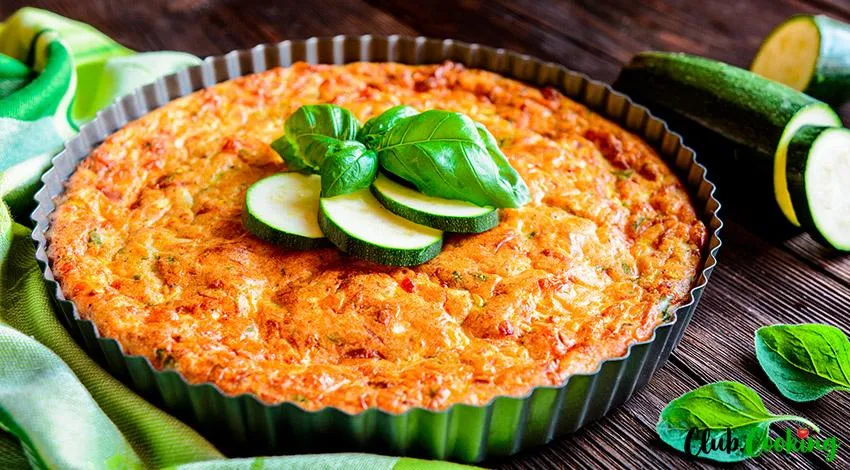
Yes. Freeze baked quiche whole or in slices once it has cooled safely. Wrap it well and use it within about 2–3 months for best freezer quality. Thaw in the refrigerator and reheat leftovers to 165°F (74°C). Individual slices are easier to thaw and reheat evenly.
Choose a quiche suited to freezing
Freeze a fully baked quiche with a firm filling and a well-baked crust. Very wet vegetables can release water after thawing, so cook and drain them before baking. If you only need a portion at a time, wrap individual slices and label the date.
This guide focuses on fully baked quiche. Raw filling frozen in a bag is a different task with raw-egg handling, container, thawing, and baking requirements. Use a complete recipe developed for that method rather than transferring baked-slice advice to an uncooked mixture.
How to freeze quiche
Begin with safely cooked quiche and keep its preparation date clear. A quiche that already spent too long warm is not made safe by wrapping and freezing.
1. Bake fully. Follow the recipe and appropriate egg-dish temperature, including any meat-specific requirements.
2. Cool briefly. Let the strongest heat dissipate, then refrigerate promptly rather than leaving the pie out for hours.
3. Portion if useful. Cut chilled quiche into servings so only the needed amount is later reheated.
4. Wrap. Use suitable freezer-safe wrapping or containers, protecting exposed custard and pastry from drying.
5. Label. Record recipe, baking date, portion size, and any earlier ingredient history.
6. Freeze. Keep at 0°F (−18°C) or below and avoid crushing the pastry beneath other packages.
For a whole quiche, make sure the pan and wrapping suit freezing and later handling. A fragile dish can be damaged by sudden temperature changes. Follow the cookware manufacturer’s instructions rather than moving an unknown glass pie plate straight from freezer to hot oven.
How long it lasts
The US cold-storage chart lists about 2–3 months for frozen baked quiche quality. Use that as a planning reference for properly handled food kept frozen, not a guarantee that every filling remains identical until one exact date.
For refrigerated leftovers, this guide uses a conservative 3–4-day window at 40°F (4°C) or below. Account for ingredients cooked earlier, such as bacon or vegetables. Assembling them into quiche does not erase their history.
Freezer quality and safety differ. Food that remained continuously frozen can lose quality, while food warmed during an outage needs a separate temperature-history assessment. A labeled month count alone cannot establish whether that happened.
How to thaw and reheat
Thaw baked quiche in the refrigerator. Reheat on a baking sheet until the center reaches 165°F (74°C). Cover loosely if the crust browns before the custard is hot, then uncover near the end if you want a drier top. A slice heats more evenly than a whole chilled quiche. Use a thermometer in the thickest part rather than relying on bubbling cheese or crust color.
Texture changes to expect
Custard can release a little moisture, vegetables can soften, and pastry can lose crispness. Those are quality changes when handling remained safe. They do not automatically mean the quiche is spoiled, but neither do they prove safety.
For better control, use well-drained cooked vegetables in a recipe designed for them and avoid adding unmeasured wet ingredients. Store toppings or fresh salads separately. A frozen quiche is usually more useful when the serving plan accepts some difference from freshly baked texture.
Try the site’s zucchini quiche or the new Quiche Lorraine formulation with their own preparation instructions. Zucchini moisture and bacon seasoning affect the result differently, so do not assume a single freezer test validates every filling.
Freezer meals and raw filling bags
Searches for freezer quiche recipes or quiche in a bag can refer to a prep system that freezes uncooked filling. This article does not validate that system. Raw egg mixtures need their own safe handling, bag suitability, thawing, pastry, and baking method.
For a simpler household plan, freezing already baked portions separates initial cooking from later reheating. That does not remove storage rules, but it makes serving size and the reheating endpoint easier to track. Label whether a package is raw or cooked so nobody treats an uncooked mixture as a ready meal.
How to tell if it has gone bad
Discard quiche with mold, abnormal odor, slime, or other clear spoilage. Do not taste it to decide. A normal smell is not proof of safety after poor refrigeration or an unknown long thawing period.
Freezer burn and dry edges are mainly quality issues when food stayed appropriately frozen. Large ice accumulation or damaged packaging should prompt checking storage history. Reheating cannot be treated as a universal repair for food left under unsafe conditions.
Serving and portion planning
Reheat only the servings needed. A small slice heats more evenly than a deep stack and avoids repeatedly warming the whole quiche. Add fresh salad, fruit, or other cool accompaniments after heating rather than reheating the entire assembled plate.
If the quiche includes meat, follow the complete recipe’s initial safe endpoint. Egg dishes without meat can use different initial guidance from those with meat or poultry, while stored hot leftovers still use 165°F (74°C) for reheating. Keep those stages distinct.
Related recipes and guides
If you are still planning the bake, start with quiche Lorraine; its filling is a useful reference for portioning before freezing.
FAQ
Can you freeze quiche after it’s cooked?
Yes. Cool baked quiche promptly and refrigerate or freeze it within 2 hours, or 1 hour above 90°F (32°C). Wrap it whole or in slices once cooled. Thaw in the refrigerator and reheat leftovers to 165°F (74°C).
How long does it last in the freezer?
For best quality, use baked quiche within about 2–3 months in the freezer. Wrap individual slices tightly and label the date. Filling moisture and the quality of the crust affect how well it holds up.
How do I thaw it?
Thaw it in the refrigerator on a plate that can catch condensation. Reheat to 165°F (74°C) in the center. An oven gives a better chance of restoring the crust than a microwave. Shield the rim if it is already dark.
Does freezing change the texture?
Yes. The custard can release moisture and the crust may soften. A fully baked quiche with well-drained fillings generally reheats better. Wrap portions tightly and use an oven or toaster oven to dry the crust while the center heats.