
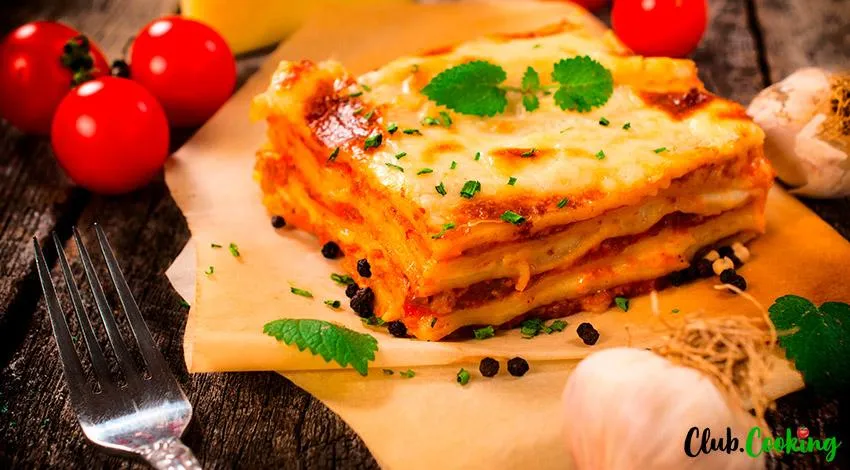
Serve lasagna with a sharp green salad, roasted broccoli, or garlic bread. The salad adds the most contrast to a rich meat or cheese lasagna. Choose bread if you want to mop up extra sauce, and keep the portion modest because the pasta already supplies starch.
Match the side to the lasagna
Tomato-and-meat lasagna can take a lightly dressed vegetable side, while a rich chicken Alfredo version benefits from sharper, simpler accompaniments. A vegetable lasagna may need different portion planning depending on its filling. Lasagna soup has another texture and may use bread more naturally than a large baked square does.
For a dinner party, choose sides that fit the oven plan. A cold salad or stovetop vegetable can be more practical than a second casserole at a different temperature. Keep the menu manageable so the main can rest briefly and be served without every side waiting under covers.
Vegetables
1. Roasted broccoli
Roast broccoli until the tips brown and the stems are tender. Serve it with tomato or Alfredo lasagna, using a little lemon if the filling is rich. Its crisp edges contrast with the soft pasta.
2. Green beans
Simply cooked green beans can be ready on the stove while the lasagna bakes. A little lemon or olive oil is often enough. For a make-ahead chilled option, try green bean salad and dress according to its own method.
3. Roasted zucchini
Zucchini can provide a mild vegetable side without another thick sauce. Cook off excess moisture and avoid piling wet slices on the plate against the pasta. If zucchini already dominates the lasagna, choose a different vegetable to add more useful variety.
4. Asparagus
Asparagus gives a distinct shape and bite beside soft layers. Use a simple finish rather than a large cheese topping that repeats the lasagna’s richness. Plan its cooking close enough to serving that it does not sit covered and soften unnecessarily.
5. Sautéed mushrooms
Brown mushrooms in a wide skillet before seasoning. Let their moisture evaporate so they do not make the plate watery. This is a useful side with spinach or cheese lasagna when you want a vegetable with a deeper flavor.
Salads
6. Green salad with vinaigrette
Dress crisp greens with a sharp vinaigrette just before serving. Arugula gives a peppery bite and romaine gives more crunch. A plain salad works particularly well if the lasagna contains meat, béchamel, or several cheeses.
7. Cucumber and tomato salad
Cucumber and tomato bring cool crunch and juiciness without taking oven space. Drain excess liquid and add vinegar cautiously if the lasagna sauce is already sharp. Serve beside rather than underneath the pasta to avoid making the plate unnecessarily wet.
8. Cabbage slaw
For a side beyond leafy salad, thin cabbage provides a durable crunch. A light vinaigrette can suit a rich Alfredo lasagna, while a mild creamy dressing may be preferred beside a spicy tomato version. Choose one balance rather than combining several competing dressings.
9. Carrot salad
Grated carrot with a restrained citrus or vinegar dressing gives a sweet-crisp contrast. Avoid a very sugary finish if the tomato sauce already tastes sweet. Keep the portion small enough to support the main instead of turning the menu into several large salads.
Starches
10. Small roasted potatoes
Potatoes are an option for a meal built around small lasagna portions, but not an automatic requirement. Pasta already provides starch. If choosing potatoes, keep them plain and modest rather than adding another cheese-and-cream bake beside a large square of lasagna.
11. A plain grain side, when needed
A small grain serving may suit a vegetable-heavy or very small lasagna portion, but most menus do not need it. Evaluate the full plate first. More starch is not the only way to make dinner feel complete when vegetables and an appropriately sized main are already present.
Breads
12. Garlic bread
Serve a small piece of garlic bread when the lasagna leaves extra tomato sauce on the plate. Toast it while the lasagna rests. A light spread of garlic butter keeps it from competing with a heavily seasoned filling.
13. Plain crusty bread
Plain bread gives diners control over added richness. Offer a basket rather than putting a large piece on every plate automatically. It is especially useful with lasagna soup, where the broth benefits from an accompaniment that can be dipped by portion.
Sauces and fresh finishes
14. Herb vinaigrette for vegetables
Toss steamed green beans or warm roasted vegetables with a little herb vinaigrette. Use it on the vegetable, rather than on the pasta. It brings acidity to the plate without adding a second rich sauce.
15. Lemon yogurt for a separate side
A cool yogurt finish can accompany plain vegetables if that flavor fits the menu. It is optional, especially when the lasagna already contains abundant dairy. Keep chilled and add to served portions rather than covering every hot component in another creamy sauce.
Drinks
16. Water with citrus
Plain or sparkling water is flexible beside tomato or cream sauces. A small citrus wedge adds aroma without another sweet course. Offer plain water too so guests can choose rather than assuming one flavored beverage pairs best with every lasagna style.
17. Unsweetened iced tea
Tea can suit an informal meal and is easy to offer in a separate jug. Choose strength and caffeine level according to diners. Keep sweetness optional, particularly if the side menu already includes sweet vegetables or a dessert course.
Three menu plans
Meat lasagna dinner: a moderate square of meat lasagna, green salad, and green beans. Add a little bread only if desired.
Creamy chicken-style dinner: Alfredo lasagna with cucumber salad and asparagus. Keep extra cheese sauces out of the default sides so the main’s creaminess has contrast.
Easy gathering: ravioli lasagna, a prepared cold salad dressed near serving, and a small bread basket. Choose dishes with compatible preparation timing rather than several oven-dependent sides competing for one rack.
Preparation and leftovers
Wash salad greens early and dry them thoroughly. Use the lasagna’s resting time to toast bread or dress the salad. If a vegetable needs a hotter oven than the pasta, roast it ahead and serve it warm rather than changing the lasagna temperature halfway through.
Wash produce, chill perishable dressings, and prepare cold sides before the main’s final bake. Keep wet salads separate from bread and lasagna until serving. A short main-dish rest can be useful time to dress leaves or heat a modest bread portion.
Refrigerate perishable leftovers promptly at 40°F (4°C) or below and use the shortest applicable component limit. Cooked leftovers generally have a 3–4-day window. Reheat hot leftovers to 165°F (74°C), checking the center of a lasagna portion. Store salads separately rather than repeatedly heating them with the pasta.
FAQ
What to serve with lasagna besides salad?
Try roasted broccoli, asparagus, or sautéed mushrooms instead of salad. Their texture works well with soft pasta and cheese. Add garlic bread only if you want something to catch extra sauce.
What to serve with chicken alfredo lasagna?
Serve chicken Alfredo lasagna with lemony green beans or roasted broccoli. A crisp green salad with vinaigrette also works. Keep the side free of cream so the lasagna remains the richest part of the plate.
What to serve with lasagna for dinner party?
For a dinner party, serve a sharp green salad and one warm vegetable. Put garlic bread in a separate basket if you want it. Dress the salad while the lasagna rests and serve both as soon as you cut the slices.
What to serve with lasagna soup?
Serve lasagna soup with a small piece of crusty bread and a cucumber salad. If the soup already contains a lot of pasta, use the salad on its own. Keep bread out of the bowl until you want to dip it.
What vegetable side goes best?
Roasted broccoli is versatile with red or white lasagna. Green beans are milder and easy to prepare on the stove while the pasta rests. Add lemon at serving time if the lasagna is particularly rich.