
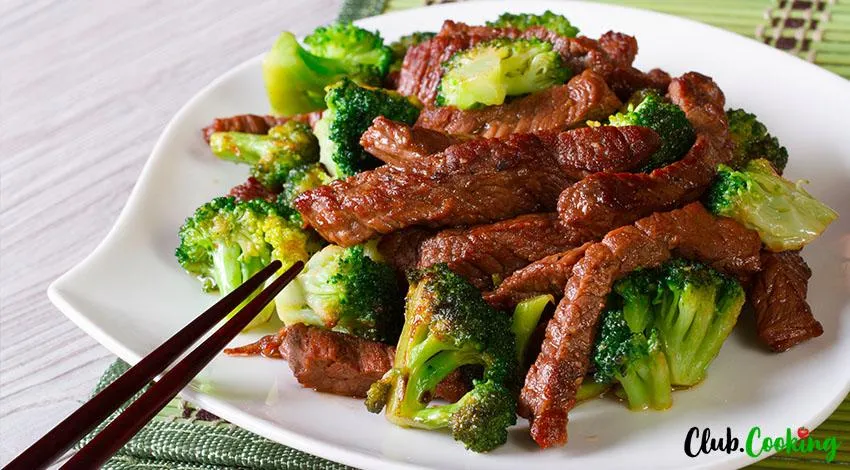
For chopped bok choy, stir-fry the stems first for about 3 minutes, then add the leaves and cook just until they wilt. Thick mature stalks need longer than small baby heads. The stems should be crisp-tender and the leaves soft. Separate the two parts if they need different cooking times.
Choose a method by cut size
Baby bok choy halves look different from separated mature stalks and leaves. A small leaf added to ramen does not need the same time as a thick white base in a steamer. Prepare pieces consistently before selecting a timetable.
These are vegetable texture guides, not meat-like safety temperatures. If adding raw meat or seafood to the same dish, those ingredients still require their own complete cooking. Tender bok choy does not prove a protein hidden in the bowl is safe.
Wash between the stalks
Trim the base if separating a mature head. Rinse the stems and leaves individually, especially where grit collects at the bottom. For halved baby heads, fan out the stalks under running water without pulling them apart. Drain well and blot dry before using a skillet so excess water does not cool the pan.
Stir-fry method
Slice thick stems across the grain and leave the leaves in larger pieces. Heat a little oil in a wide skillet or wok. Cook the stems first, tossing until they begin to turn tender, about 3 minutes for many chopped batches. Add the leaves and cook just until wilted. Work in batches if the pan fills with liquid. Add sauce near the end so the stems stay crisp-tender.
Steaming method
Bring the water to a steady simmer below the basket. Put thick stems in first, or arrange halved baby heads in a single layer. Start checking the thick bases after several minutes. Add loose leaves later, since they wilt quickly. Remove individual pieces once tender and drain before seasoning so the dressing does not become watery.
Bok choy in soup and ramen
Add stems early enough to soften, then leaves nearer serving. A vigorously boiling broth can beat delicate leaves around, while a gentle simmer gives more control. Cut thick stems smaller if you want them ready during a short noodle-cooking stage.
For ramen, consider noodle timing separately. If noodles need only a brief finish, they may not provide enough time for large raw bok choy bases. Cook or blanch the vegetable appropriately before assembly rather than overcooking noodles while waiting for stems.
In a stored soup, greens can become softer and darker. If preparing ahead, add a fresh portion of bok choy during final serving when possible. Keep raw and cooked ingredients handled separately and heat stored soup safely.
Boiling or blanching
A brief boil can prepare bok choy for a side dish or another recipe. Use enough water for the quantity and start with the thicker parts. Remove when the intended texture is reached and drain promptly.
If cooling for a later cold preparation, use an appropriate cooling method and refrigerate promptly. Do not leave a large wet bowl at room temperature for hours. Blanching for freezing is a separate preservation process with its own specified time; a dinner-side timing is not automatically a freezer-preparation instruction.
Use cooking liquid according to the recipe. A broth intended for eating differs from plain blanching water that is drained. Measure seasoning for the complete dish rather than adding a full stir-fry sauce to a pot of cooking water without a plan.
Raw bok choy and frozen products
An uncooked bok choy recipe can use clean tender leaves or finely sliced stalks in a salad. Raw texture and flavor differ from a wilted dish. Wash carefully and use ingredients suitable for the intended diners; this cooking guide does not claim raw vegetables are interchangeable with every cooked preparation.
Frozen bok choy may be chopped or pre-blanched. Follow the product label and expect more released moisture and a softer texture. It will not necessarily produce the same seared surface as a dry fresh half placed in a hot skillet.
Do not thaw an unidentified prepared frozen meal on the counter while trying to adapt this fresh-vegetable chart. The other ingredients and package method matter too.
How to tell bok choy is done
Taste a thick stem. It should give when you bite but can retain some crunch for a stir-fry. The leaves should be wilted without dissolving into the sauce. If the stems are still raw-hard and the leaves are ready, move the leaves to a plate and finish the stems separately. For soup, check a spoonful with both parts.
Common mistakes
- Incomplete washing near the base.
- Starting thick stems and delicate leaves simultaneously without considering size.
- Overcrowding a skillet with wet vegetables.
- Using noodle cooking time as the only vegetable timetable.
- Adding too much sauce before checking natural moisture.
- Applying fresh-half timing to a frozen chopped product.
Storage and reheating
Refrigerate cooked bok choy promptly in shallow containers at 40°F (4°C) or below and use within 3–4 days. Reheat leftovers to 165°F (74°C), accepting a softer texture. Keep sauce separate when possible and avoid repeated heating. If stored with meat or seafood, respect the shortest remaining life among components.
Related recipes and guides
Serve bok choy with egg fried rice, add the cooked greens to tom kha gai, or pair them with mapo tofu to balance the richness of the sauce.
FAQ
How long to cook bok choy in soup?
Add chopped stems early enough to simmer for a few minutes, then add the leaves near serving. Taste a stem to judge when it is crisp-tender. Small heads and thin slices cook sooner than thick mature stems. If reheating a finished soup, bring it back to a boil before adding fresh greens.
How long to cook bok choy in boiling water?
Start checking thinly sliced stems after a few minutes in boiling water. Loose leaves can wilt in much less time, so add them last. Drain promptly when the texture suits the dish. If you want to serve the greens cold, cool and drain them well before adding dressing.
How long to cook bok choy in ramen?
Add thick stems to the simmering broth before the noodles are ready, then add the leaves near the end. Taste one stem rather than assuming it will finish with the noodles. If the noodle instructions are short, cook the bok choy separately and add it to each bowl.
How do I know when it is done?
Taste a thick piece near the base. A cooked stem should be tender enough to bite, with the amount of crunch you want. Leaves should be wilted. If the head is halved, check the center where the stalks meet. A bright green leaf does not prove the base is tender.
Does the time change if it is frozen?
Yes. Frozen bok choy may release more water and may already have been blanched. Follow the package and check texture early. For a skillet, drain off excess liquid if directed. Frozen greens work especially well in soup, where the extra moisture matters less than it does in a stir-fry.
Related guides: How to Cook Kale, How to Cook Swiss Chard, How to Cook Mustard Greens, How to Cook Turnip Greens.